- About Us
- For Community Groups
- For AdvocatesFor Advocates
- News & EventsNews & Events
- Get InvolvedGet Involved
- Resources
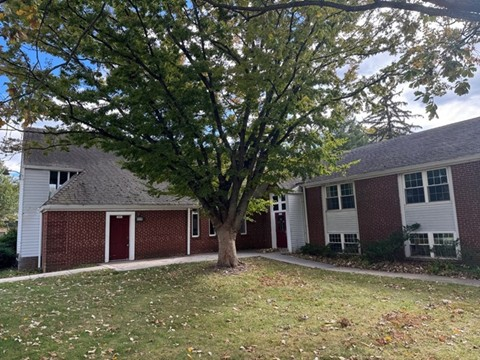
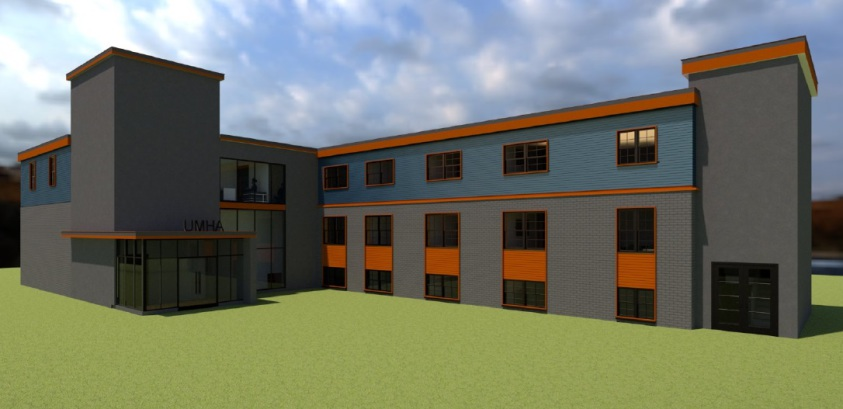
The beginning of this journey to create this affordable housing was in late 2017, when VFPC formed a committee to make recommendations for how to use its resources for carrying out its mission of care in the community. Within two years, the church congregation agreed to the committee recommendation to convert one of its two buildings into affordable apartments for children aging out of foster care.
A 501c3 corporation, named the Upper Merion Area Housing Association (UMAHA), was established, to work with VFPC on the development – the very first affordable housing in Upper Merion Township!
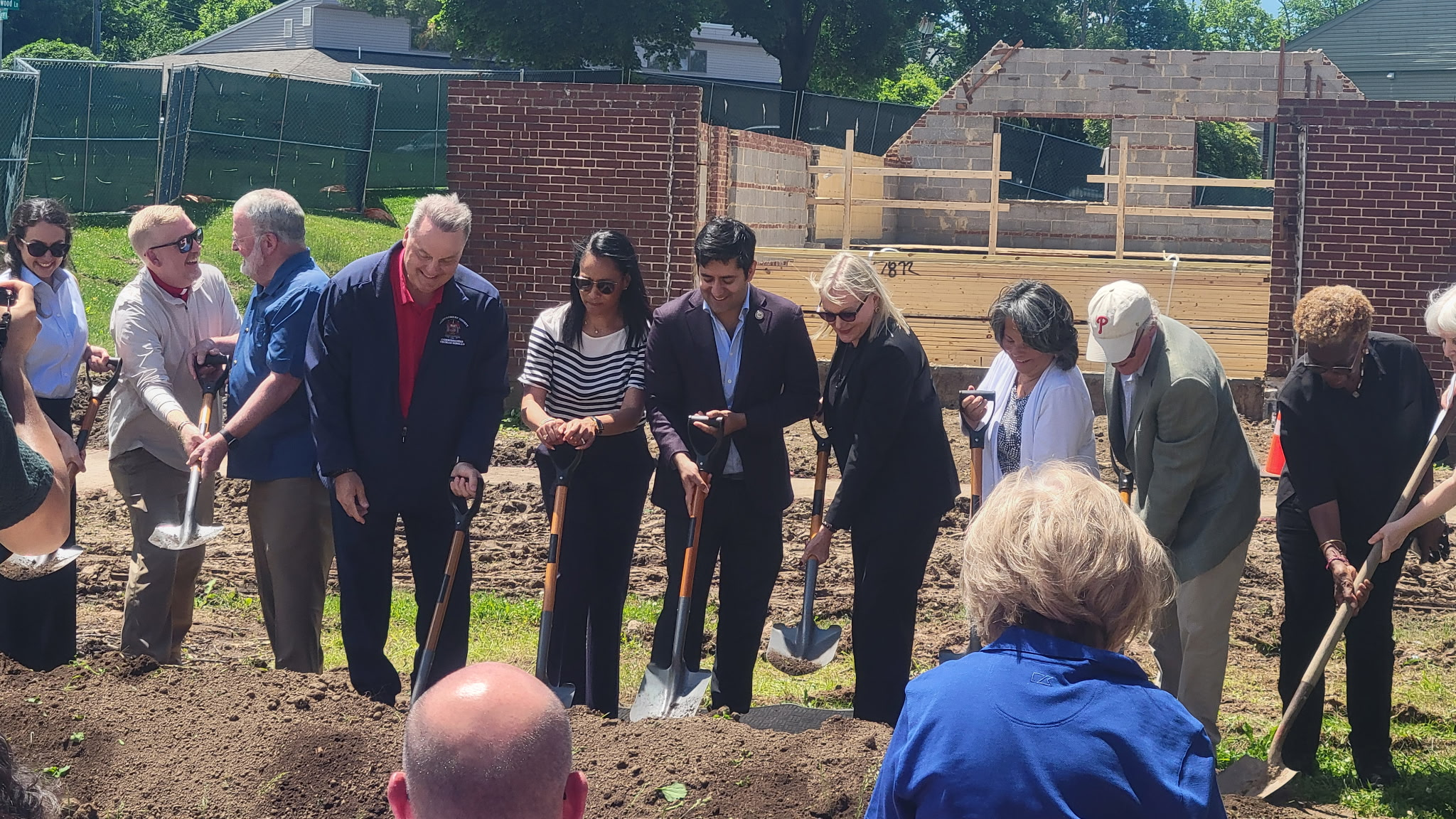
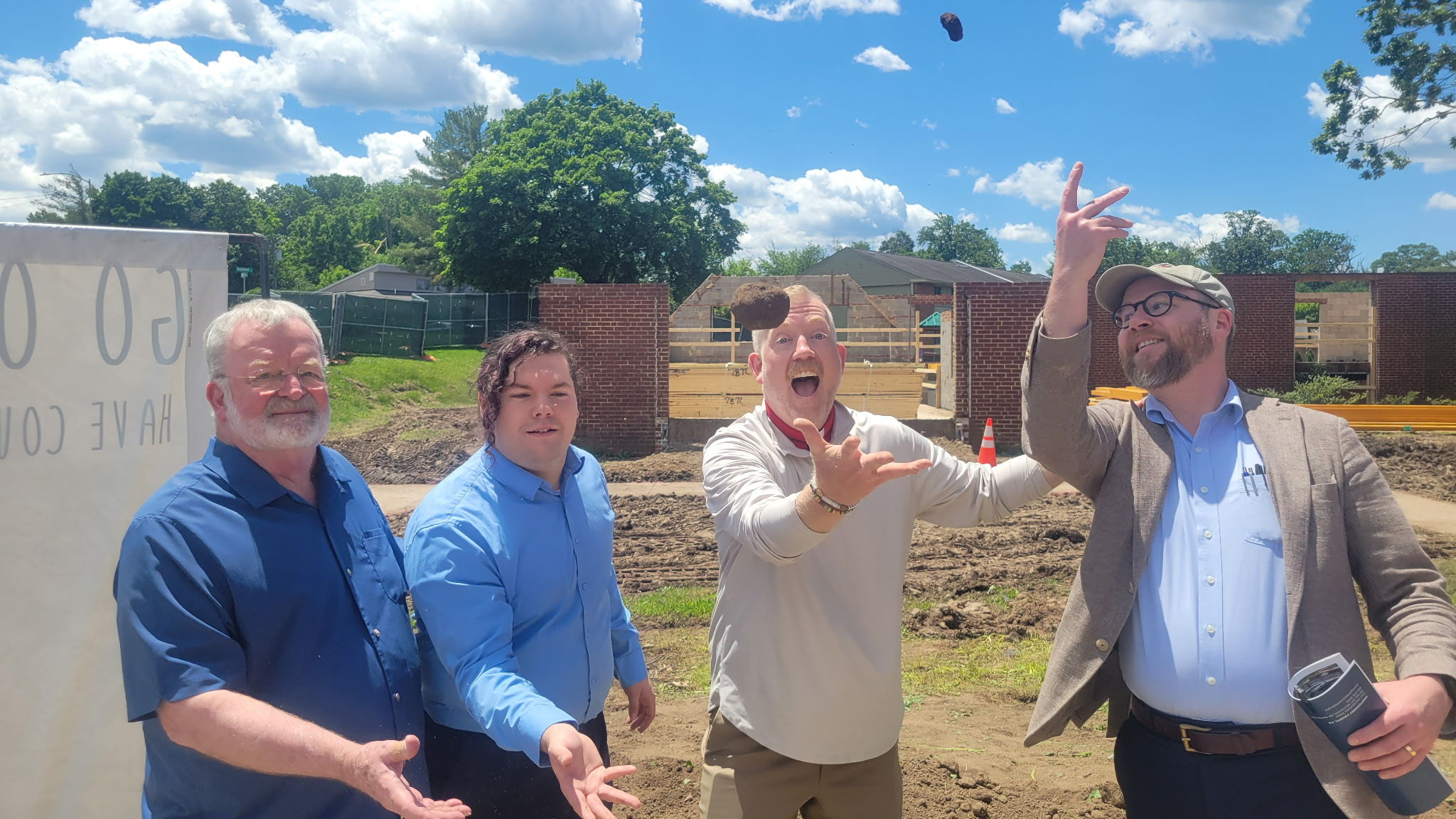
An important milestone has just been reached, with the recently held groundbreaking ceremony. On Thursday, May 28th, dignitaries from the county and the Pennsylvania Housing Finance Agency gathered to celebrate the new construction. In addition to the usual line of diggers, pictured below, the client representatives, Michael Henry and Pastor Tim Dooner, shared a light-hearted moment throwing the dirt in the air with RHLS Attorneys Jack Stucker and Blayne Cekine.

Over the next several years VFPC and UMAHA worked with Stone Sherick Consulting Group to solicit project funding. During that time the design of the building changed, with the addition of a third story that increased the number of apartments from 16 to 20. The cost also rose to $6.3 million, creating delays in fully funding the development.
VFPC was already committing the entire lower level of the other building to the UMACC. The housing project, therefore, would be a further extension of the church’s active and compassionate work in the community.
RHLS Supervising Attorney, Jack Stucker, and Dechert Impact Fellow, Blayne Cekine, provided expert guidance for the project through a very complex process involving non-profit and governmental funding from several sources. RHLS helped facilitate the process of final approvals with funding sources, drafted and provided necessary closing documents, negotiated with project partners, navigated title and recording, provided general legal counsel and support for UMAHA on a project that they were devoted to but was outside of their comfort zone. UMAHA was able to finally close on its funding in March of 2026 and began construction later in the spring.
The development was a lengthy process, but the Church’s commitment to its mission sustained it through the eight years it took from concept to construction.
You can read more about the Church's commitment to "Yes in God's Backyard" in this WHYY article.
